Popular Books
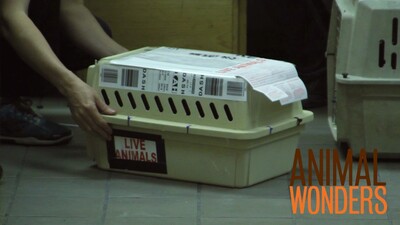
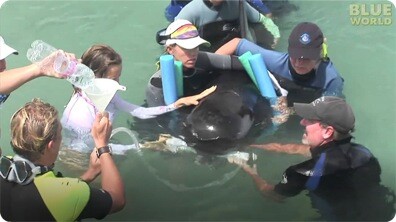
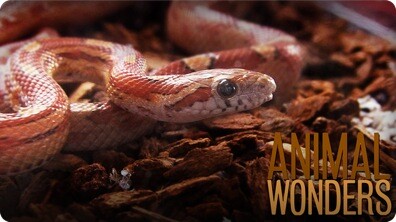
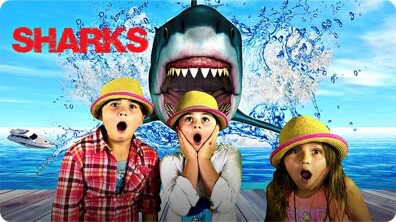
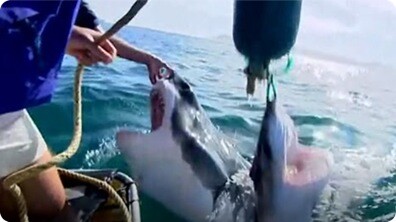
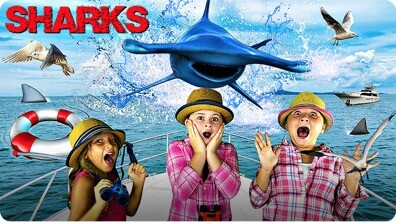
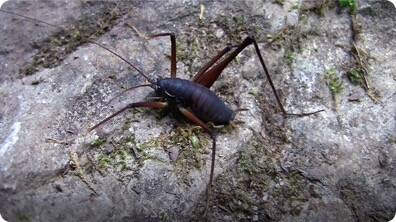
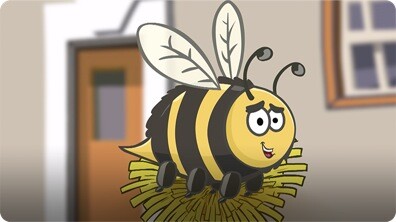
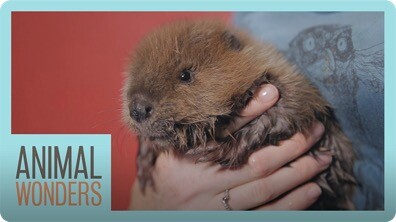
Videos about science and nature for kids bring scientific concepts and natural phenomena to life. Through real-world footage and demonstrations, children can watch the processes, patterns and events that shape the world around them.
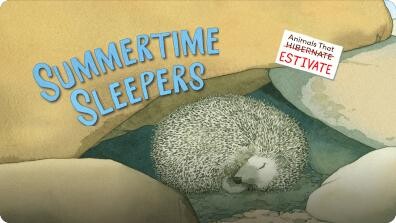
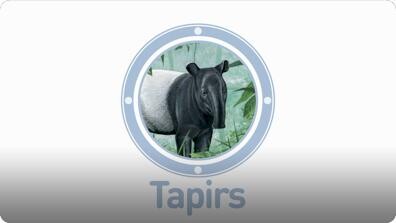




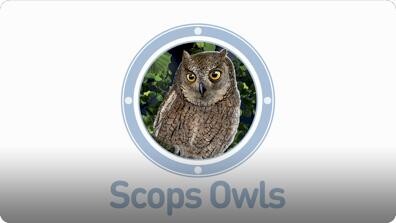
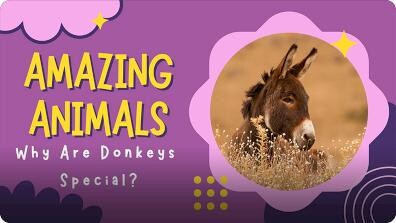
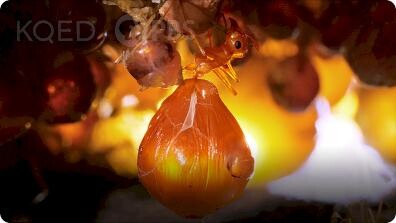
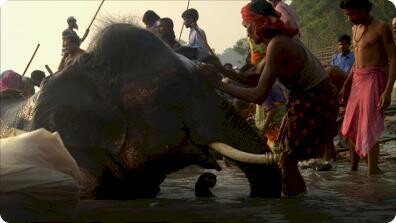
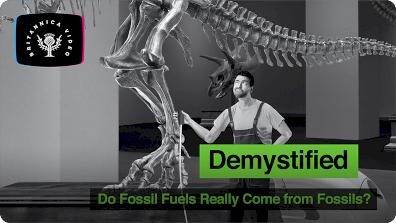
Science & nature videos are a good fit for kids because they can show processes and phenomena that are difficult to observe firsthand. Watching a plant grow, a storm form or an animal hunt helps make abstract ideas easier to understand. The visual format brings scientific concepts to life.
When selecting science & nature videos, look for accurate information and age-appropriate explanations. Strong videos focus on observation, evidence and understanding rather than sensational facts. Clear visuals and thoughtful narration can help children stay engaged while learning.
Kids can learn how natural systems work, how living things interact and how scientific discoveries are made through science & nature videos. Many also introduce concepts such as adaptation, ecosystems and change over time. These topics help children develop a stronger understanding of the world and their place within it.
Selections may feature familiar mammals, birds, reptiles, ocean animals, rare species or completely invented beings. This mix lets readers explore natural diversity while enjoying imaginative adventures.
Detailed images, maps and searchable pages invite children to notice body structures, tracks, movement and habitat clues. Recording those observations before reading captions encourages evidence-based inference.
Readers can label statements supported by photographs or factual notes and mark details created for the story. Checking a trusted animal reference then clarifies which traits exist in nature.
Without relying on pictures, listeners construct settings and creatures from descriptive language, rhythm and effects. This mental visualization supports comprehension and makes imagined worlds feel immediate.
Audio stories can introduce communication, camouflage, territory, migration and predator-prey interactions. Authentic recordings make it possible to compare species and habitats by ear.
Listeners can predict a creature from sound clues, keep a habitat sketch or retell one scene using their own effects. These short tasks preserve the flow of listening while checking understanding.
Synchronized audio lets children hear fluent phrasing while following the printed words. Repetition, predictable action and bold pictures make new animal vocabulary easier to decode and remember.
Narration supplies pronunciation, mood and pace, while pictures reveal physical traits and spatial details. Comparing them teaches readers to integrate evidence instead of depending on only one mode.
Children can match creature cards to habitats, act out movement verbs or assemble a simple story sequence. The best activity reuses vocabulary from the book and asks for observable evidence.
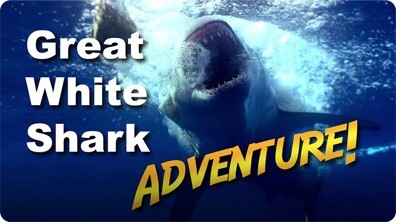
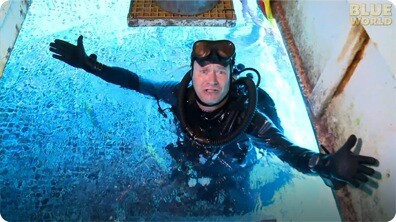
Movement, close-up footage and natural sound reveal behaviors that still images cannot show. Clear narration can connect a dramatic encounter with scientific ideas about survival, adaptation and ecosystems.
Viewers can look for labels, source credits and explanations of how each scene was produced. Comparing claims with reputable wildlife references helps separate documented behavior from dramatization.
Ask what the animal was doing, which evidence supports that interpretation and how the habitat shaped the action. A final question about human impact connects observation with conservation thinking.
Ready to supercharge your child's reading journey? Sign up now for access to 40,000+ popular books, videos and audiobooks.