Popular Books


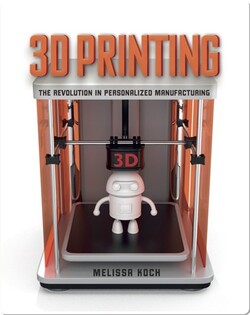
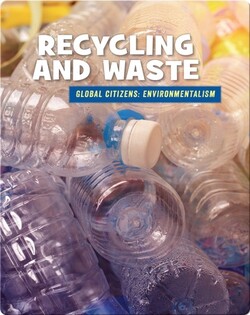
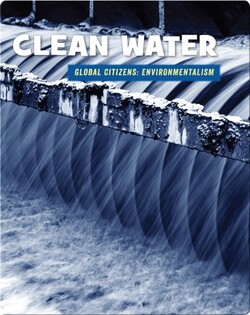
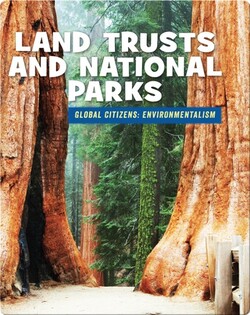

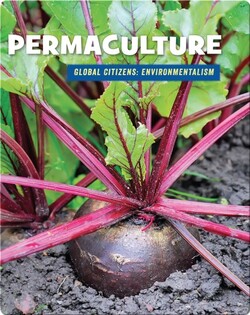
Science and nature books for 12-year-olds encourage deeper analysis of scientific research and environmental issues. Readers can interpret data, compare competing explanations and evaluate how new discoveries continue to shape understanding of the natural world.
Books about science & nature for 12-year-olds often explore advanced topics such as environmental science, genetics, ecology, astronomy, earth systems and scientific research. Many also examine how scientific discoveries influence society and shape our understanding of the natural world.
12-year-olds can learn how scientific evidence is gathered, how natural systems interact and how researchers investigate complex questions. These books often encourage deeper analysis of environmental challenges, scientific discoveries and ongoing areas of study.
These books are especially relevant when readers are pursuing independent interests, preparing projects or exploring topics they may want to study further. They can also appeal to curious readers who enjoy understanding how science connects to current events and real-world issues.
Wild Things books combine memorable creatures, energetic stories and opportunities for discovery. Age-appropriate text and illustrations help readers explore wildlife and imagination while strengthening reading skills.
Readers can learn about animal traits, habitats and behavior while comparing real wildlife with imaginary creatures. These stories also encourage curiosity, observation and creative thinking.
Use the books for read-alouds, independent reading, nature lessons or creative projects. Questions about a creature’s habitat, actions and adaptations can extend comprehension and discussion.
Wild Things books combine memorable creatures, energetic stories and opportunities for discovery. Age-appropriate text and illustrations help readers explore wildlife and imagination while strengthening reading skills.
Readers can learn about animal traits, habitats and behavior while comparing real wildlife with imaginary creatures. These stories also encourage curiosity, observation and creative thinking.
Use the books for read-alouds, independent reading, nature lessons or creative projects. Questions about a creature’s habitat, actions and adaptations can extend comprehension and discussion.
Wild Things books combine memorable creatures, energetic stories and opportunities for discovery. Age-appropriate text and illustrations help readers explore wildlife and imagination while strengthening reading skills.
Readers can learn about animal traits, habitats and behavior while comparing real wildlife with imaginary creatures. These stories also encourage curiosity, observation and creative thinking.
Use the books for read-alouds, independent reading, nature lessons or creative projects. Questions about a creature’s habitat, actions and adaptations can extend comprehension and discussion.
Wild Things books combine memorable creatures, energetic stories and opportunities for discovery. Age-appropriate text and illustrations help readers explore wildlife and imagination while strengthening reading skills.
Readers can learn about animal traits, habitats and behavior while comparing real wildlife with imaginary creatures. These stories also encourage curiosity, observation and creative thinking.
Use the books for read-alouds, independent reading, nature lessons or creative projects. Questions about a creature’s habitat, actions and adaptations can extend comprehension and discussion.
Wild Things books combine memorable creatures, energetic stories and opportunities for discovery. Age-appropriate text and illustrations help readers explore wildlife and imagination while strengthening reading skills.
Readers can learn about animal traits, habitats and behavior while comparing real wildlife with imaginary creatures. These stories also encourage curiosity, observation and creative thinking.
Use the books for read-alouds, independent reading, nature lessons or creative projects. Questions about a creature’s habitat, actions and adaptations can extend comprehension and discussion.
Wild Things books combine memorable creatures, energetic stories and opportunities for discovery. Age-appropriate text and illustrations help readers explore wildlife and imagination while strengthening reading skills.
Readers can learn about animal traits, habitats and behavior while comparing real wildlife with imaginary creatures. These stories also encourage curiosity, observation and creative thinking.
Use the books for read-alouds, independent reading, nature lessons or creative projects. Questions about a creature’s habitat, actions and adaptations can extend comprehension and discussion.
Wild Things books combine memorable creatures, energetic stories and opportunities for discovery. Age-appropriate text and illustrations help readers explore wildlife and imagination while strengthening reading skills.
Readers can learn about animal traits, habitats and behavior while comparing real wildlife with imaginary creatures. These stories also encourage curiosity, observation and creative thinking.
Use the books for read-alouds, independent reading, nature lessons or creative projects. Questions about a creature’s habitat, actions and adaptations can extend comprehension and discussion.
Wild Things books combine memorable creatures, energetic stories and opportunities for discovery. Age-appropriate text and illustrations help readers explore wildlife and imagination while strengthening reading skills.
Readers can learn about animal traits, habitats and behavior while comparing real wildlife with imaginary creatures. These stories also encourage curiosity, observation and creative thinking.
Use the books for read-alouds, independent reading, nature lessons or creative projects. Questions about a creature’s habitat, actions and adaptations can extend comprehension and discussion.
Wild Things books combine memorable creatures, energetic stories and opportunities for discovery. Age-appropriate text and illustrations help readers explore wildlife and imagination while strengthening reading skills.
Readers can learn about animal traits, habitats and behavior while comparing real wildlife with imaginary creatures. These stories also encourage curiosity, observation and creative thinking.
Use the books for read-alouds, independent reading, nature lessons or creative projects. Questions about a creature’s habitat, actions and adaptations can extend comprehension and discussion.
Wild Things books combine memorable creatures, energetic stories and opportunities for discovery. Age-appropriate text and illustrations help readers explore wildlife and imagination while strengthening reading skills.
Readers can learn about animal traits, habitats and behavior while comparing real wildlife with imaginary creatures. These stories also encourage curiosity, observation and creative thinking.
Use the books for read-alouds, independent reading, nature lessons or creative projects. Questions about a creature’s habitat, actions and adaptations can extend comprehension and discussion.
Wild Things books combine memorable creatures with energetic stories to encourage curiosity and discovery at an early age. Age-appropriate text and illustrations help readers explore the wild world of make believe and imagination while strengthening reading skills.
Readers can learn about animals and their habitats while comparing wildlife with imaginary creatures. These stories also encourage curiosity, observation and creative thinking.
Use the books for read-alouds or any science and nature-themed lessons. Questions about a creature’s habitat, actions and adaptations can extend comprehension and discussion.
Ready to supercharge your child's reading journey? Sign up now for access to 40,000+ popular books, videos and audiobooks.