Before After Reading Activities Before Reading Building Academic Vocabulary and Background Knowledge Before reading a book it is important to tap into what your child or students already know about the topic This will help them develop their vocabulary increase their reading comprehension and make connections across the curriculum be about in the book’s chapters you might learn about it from this book Why or why not 1 Look at the cover of the book What will this book 2 What do you already know about the topic 3 Let’s study the Table of Contents What will you learn about 4 What would you like to learn about this topic Do you think 5 Use a reading journal to write about your knowledge of this 6 Read the book 7 8 After reading the book complete the activities below In your reading journal record what you learned about the topic and your response to the book topic Record what you already know about the topic and what you hope to learn about the topic Content Area Vocabulary Read the list What do these words mean blossom fertilization nectar oxygen pollen pollinators reproduce scientists After Reading Comprehension and Extension Activity After reading the book work on the following questions with your child or students in order to check their level of reading comprehension and content mastery 1 How do fl owers help plants Summarize 2 Why do you think grass fl owers use wind pollination Infer 3 Where do seeds grow in the fl ower Asking Questions 4 What is your favorite food that comes from fl owers Text to Self Connection 5 How do pollinators help fl owers Asking Questions Extension Activity This book discusses the inner parts of fl owers Dissect a lily tulip or daffodil to see these parts for yourself Gently peel away each fl ower part in a logical order Remove all the petals then all the stamen Next take away the pistil Glue or tape all the parts on paper and label them Expose some pollen by carefully touching the anther Use a magnifying glass or microscope to examine the pollen
Seed Maker A seed rests in the ground Inside the seed is a young plant waiting to grow Where did the seed come from A fl ower Flowers are a part of plants Flowers come in all colors sizes shapes and even scents but they all have one purpose to make more plants 4
Flowers
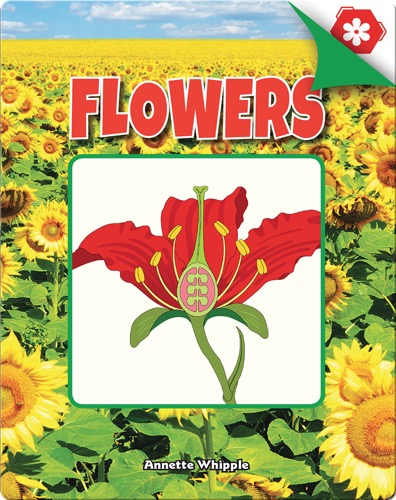
Flowers are more than just decoration. They have an important job. But they can’t always do it alone. Find out more about the work of flowers, how they attract help, and how they help plant species survive.
About This Book
By: Annette Whipple
Illustrated by:
Published by: Rourke Educational Media (Unlimited)